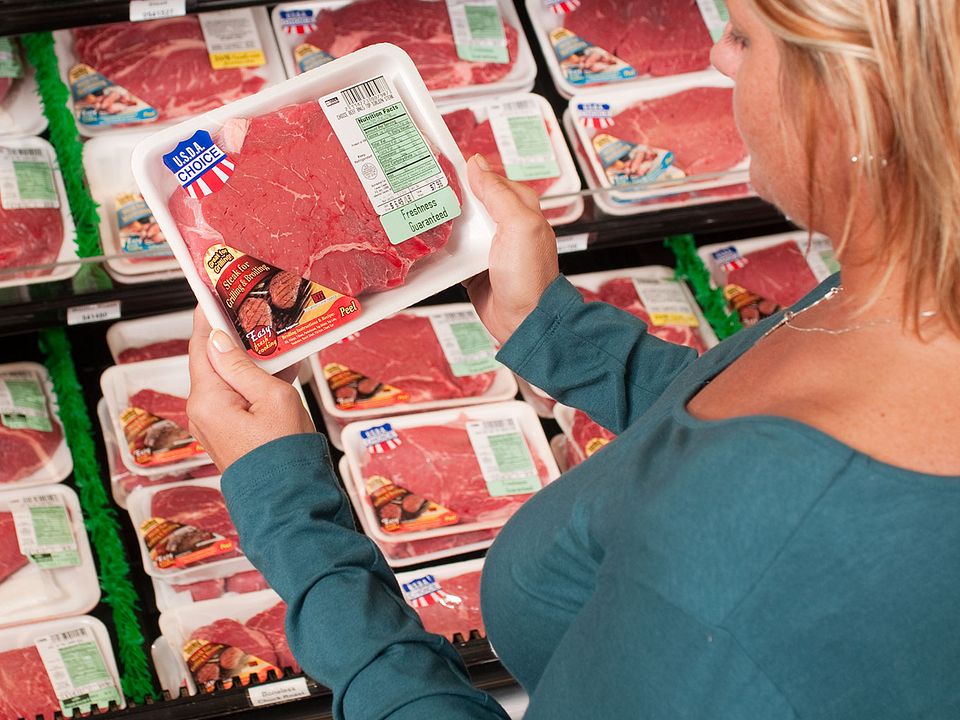
Become A Beef Expert
Ready to make informed beef choices at the grocery store? Learn what separates quality grades, labeling terms, and how to select the best beef for your meal.
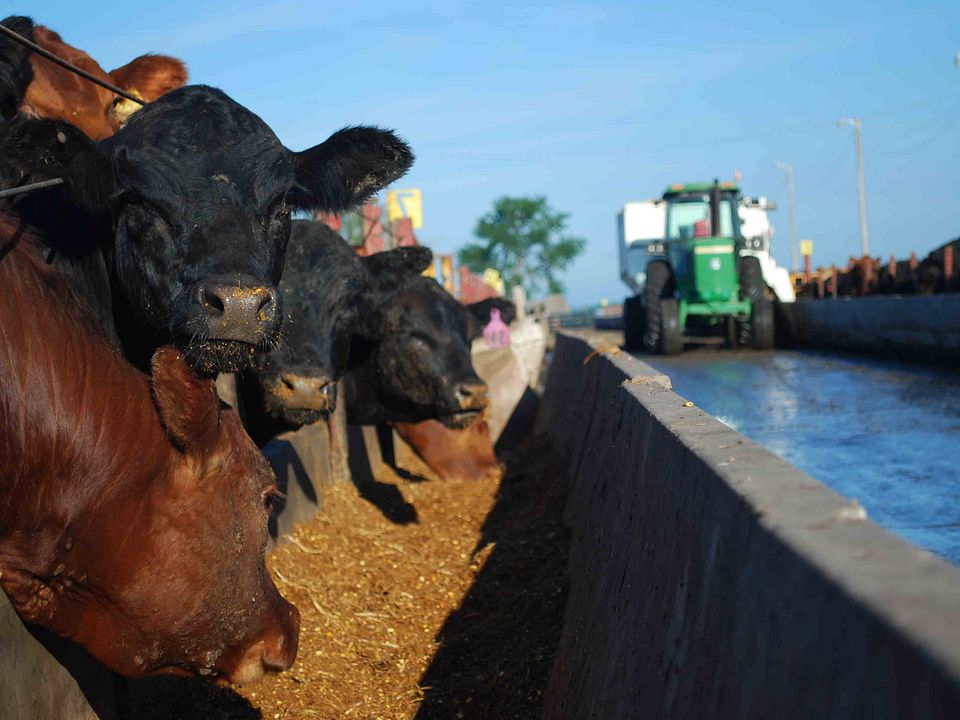
Grass-Finished vs. Grain-Finished
What's The Difference?
Most beef cattle start their lives grazing on pasture. The difference between grass-finished and grain-finished beef comes down to what the cattle eat during the final months before harvest.
Grass-Finished Beef
Grass-finished cattle spend most of their entire lives grazing and eating from pastures. They may also eat forage, hay or silage at the feedyard. Like all beef cattle, grass-finished cattle may or may not be given FDA-approved antibiotics to treat or prevent disease, and may or may no recive growth-promoting hormones.
Grain-Finished Beef
Grain-finished cattle like grass-finished, spend majority of their lives eating grass and forage in pastures. At the feedyard, they eat a balanced diet of grain and local beef ingredients, like potato hulls or sugar beets, along with hay or forage. Similarly, grain-finished cattle may or may not be given FDA-approved antibiotics or growth-promoting hormones.
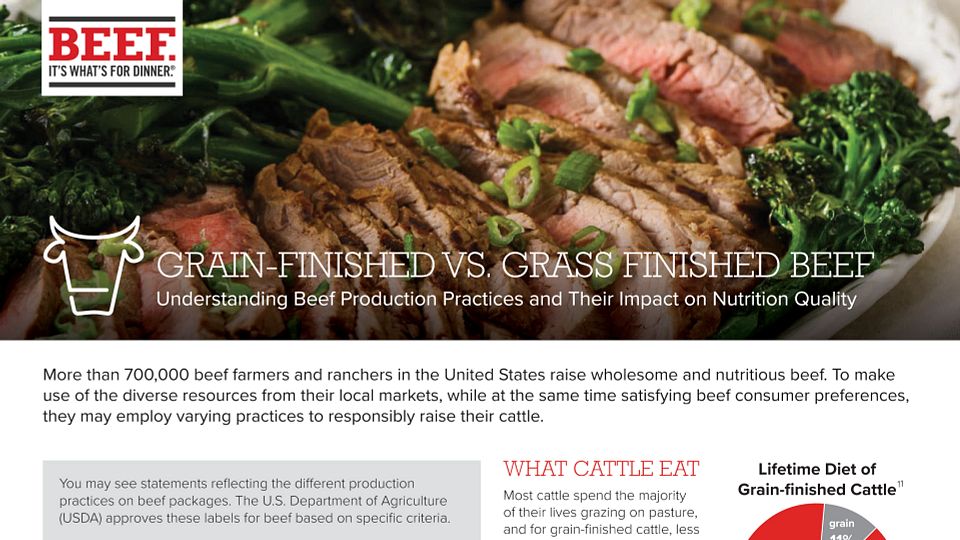
What Do Both Have In Common?
- Excellent source of 10 essential nutrients
- Rich in lean quality protein
- Foundation of healthy, balanced diet
- Rich sources of lean quality protein, with a variety of wholesome beef choices for your lifestyle
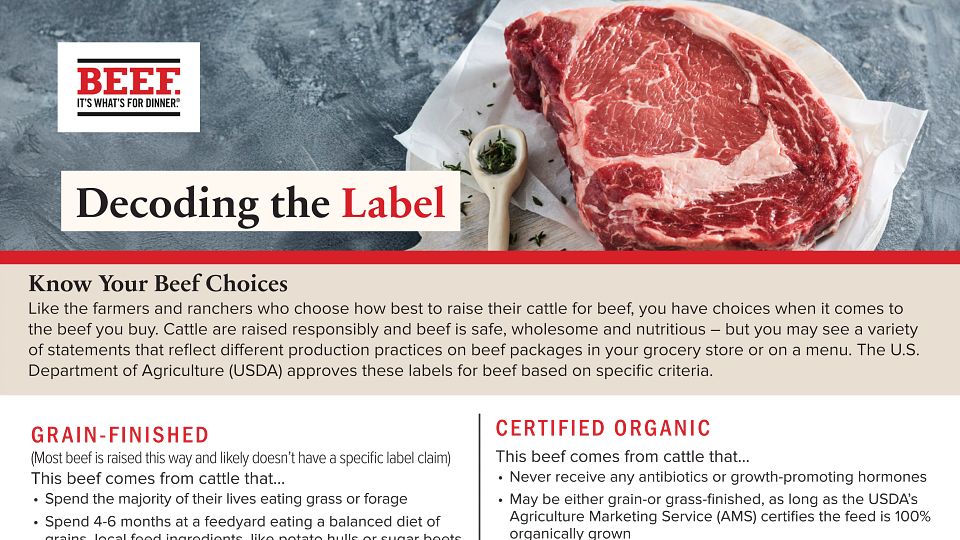
Decoding The Beef Label
Beef packages may display different labels—like "grass-fed," "natural," or "hormone-free." These reflect different production practices. The USDA regulates these claims to ensure they're accurate. Here's what they mean.
Beef Label & Packaging Questions Answered:
What information is commonly found on beef labels?
At the supermarket meat case, each beef package label typically identifies the primal cut and the sub-primal cut name. It also includes the weight, price per pound, total price, sell-by date and safe handling instructions. It may also include a grade, nutrition and preparation information and the country of origin.
Where can I find nutritional information on beef cuts?
Beef sold in traditional supermarkets or club stores is required to have the nutritional information displayed at the point of purchase for most common whole muscle beef cuts. Ground beef is required to have the nutritional label on pack. If you purchase your beef through a non-traditional market such as at a farmers market, a small co-op or direct from a farm family, it might not have nutritional information on it.
What does the date on beef packages mean?
The "sell-by" date tells the store how long to display the product for sale for inventory management. It is not a safety date. Use or freeze products with a "sell-by" date within 3 to 5 days of purchase. If you won't use it in time, freeze it. Dates are not an indicator of the product's safety. Before cooking, check that the beef looks and smells fresh, appearing bright red in color and no off odors.
What is the difference between vacuum-sealed and paper-wrapped packaging?
Packaging options vary by processor. Paper-wrapped beef is often a lower-cost option and is typically wrapped in plastic before being covered with freezer paper to help protect against freezer burn. Vacuum-sealed packaging removes air from the package, which can help extend freezer life and preserve quality during storage. Ask your processor what packaging options are available and whether there is an additional cost.
What should I look for when buying ground beef?
Ground beef labels show the ratio of lean meat to fat—for example, 80% lean/20% fat. Some labels also indicate which cut the beef comes from, like chuck, round, or sirloin.
- Color: Bright cherry-red is ideal. Beef in a sealed bag may look darker purplish-red—this is normal and will turn bright red when exposed to air.
- Firmness: Choose beef that feels firm to the touch.
- Package Condition: Make sure it's cold with no holes or tears.
- Liquid: Avoid packages with excessive liquid.
- Date: Purchase on or before the sell-by date.
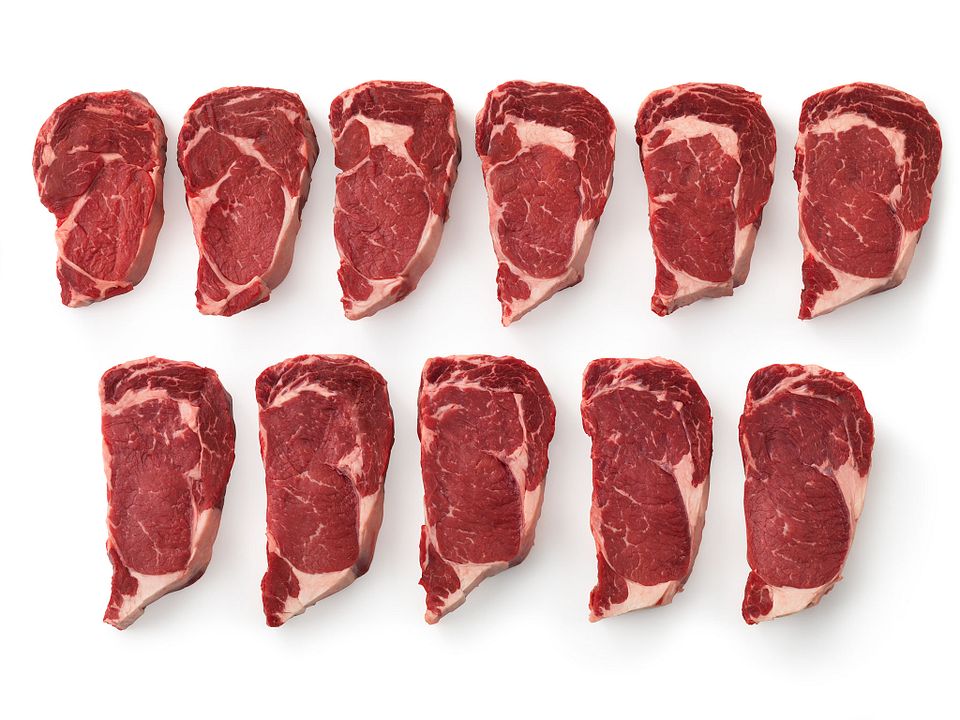
Understanding Beef Grades: Choice, Prime and Select
Beef grades tell you what to expect in terms of flavor, tenderness, and juiciness. The grade is primarily determined by marbling, the small flecks of fat within the beef muscle, along with the animal's age and muscle color. When you're shopping, you'll see one of three grades on the package: Prime, Choice, or Select.
Learn More about Quality GradesColor
The color of the meat should be bright, cherry red. Beef does brown as it is exposed to air. If you store beef in a Ziploc or other plastic bag with a small hole, you will notice it browns quickly in your fridge. While it does not mean the meat has spoiled, you should still throw it out when in doubt. Alternatively, if you buy vacuum-packaged meat, it may appear darker. This is not a flaw with the meat, but rather a lack of oxygen passing through the packaging. The packaging is what allows it to stay fresh in your fridge longer than the standard Styrofoam and cellophane packaging.
Marbling
The white fat that is interspersed within the lean muscle. Sometimes, especially in grass-finished beef, the fat can appear more yellow in color due to the animal's diet prior to harvesting. While extra-lean cuts provide a great option for those individuals requiring a low-fat diet regimen, it's also important to recognize that marbling greatly affects flavor. That is why the degree of marbling is one of the primary determinants in quality grade.
Factors In Determining Quality Grade:
- Distribution of Marbling within Lean Muscle at 12th/13th Rib
- Age/Maturity of Carcass
- Color, Texture and Firmness of Lean Muscle

Prime
Prime beef is produced from young, well-fed cattle. It has abundant marbling, is produced in smaller quantities than other grades, and is often sold in hotels and restaurants. Prime roasts and steaks are excellent for roasting, grilling or broiling.

Choice
Choice beef is high quality and produced in highest quantity, but has less marbling than Prime. Choice is the most popular grade of beef in grocery stores. Choice roasts and steaks, especially from the rib and loin, will be very tender, juicy and flavorful. They are suited for roasting, grilling and broiling. Less tender cuts are perfect for slow-cooking.

Select
Select beef is slightly leaner than Prime and Choice because it has less marbling. It can lack some tenderness, flavor and juiciness as compared to the higher grades. Select grade beef often benefits from slow-cooking or from marination prior to grilling or broiling.
Beef Aging Explained:
Beef aging does not pertain to the age of cattle, but instead refers to the amount of time the meat has been stored and refrigerated after harvest. Aging beef enhances tenderness and flavor by breaking down muscle fibers. There are two main methods: wet aging and dry aging.
Wet Aging
Wet aging is the most common method. Beef is sealed in airtight bags and refrigerated (32°F to 34°F) for up to 3 weeks. This results in traditional beef flavor and is what you'll find at the grocery store.
Dry Aging
Dry again is less common and more expensive. Beef is stored uncovered in a refrigerator room (32°F to 34°F) under controlled humidity and air flow for up to 4 weeks. This method creates a distinctive, intense "beefy" flavor and a more tender product, but the higher cost means it's usually found at specialty butchers and premium restaurants.